
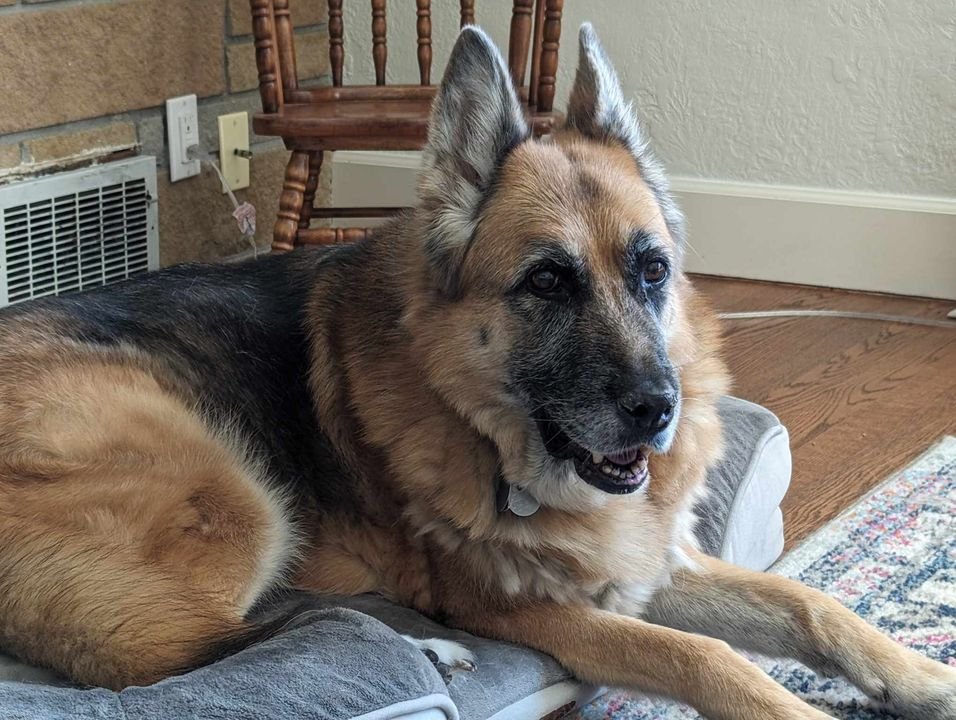
German Shepherd rescues screen adopters carefully to prevent repeat surrender, reduce trauma for the dog, and ensure long-term success. The process isn’t about judgment, it’s about matching the right dog to the right home, the first time.
If you’ve ever applied to adopt a German Shepherd and felt frustrated by the process, you’re not alone. We hear it all the time:
“Why so many questions?”
“Why do you need a home check?”
“I’m ready now why does this take weeks?”
From the outside, the German Shepherd rescue adoption process can feel overly strict or even discouraging. Some people assume rescues are gatekeeping dogs or making adoption harder than it needs to be.
But after years of working in German Shepherd rescue in Las Vegas, we’ve learned something critical: careful screening is often the difference between a forever home and another surrender. And for a breed as intelligent, emotional, and intense as the German Shepherd, that difference matters more than most people realize.
Screening isn’t about finding perfect adopters. It’s about protecting dogs from repeating a cycle they’ve already been through sometimes multiple times.
Why German Shepherd Rescues Screen Adopters Carefully
German Shepherd rescues screen adopters carefully because this breed is uniquely vulnerable to mismatches.
German Shepherds are often surrendered not because they’re “bad dogs,” but because expectations didn’t match reality. When a placement fails, the dog pays the price emotionally, behaviorally, and sometimes physically.
Screening helps rescues:
- Prevent repeat surrender
- Match dogs with adopters who fit their needs
- Reduce stress, anxiety, and behavioral fallout
- Ensure long-term stability
If you’ve ever wondered why German Shepherd rescues screen adopters, the answer is simple: we’ve seen what happens when they don’t.
For a deeper look at how breed-specific rescues operate, see our guide on what a German Shepherd rescue actually is.
German Shepherds Are Not a “Plug-and-Play” Breed
German Shepherds are brilliant, loyal, and deeply bonded to their people, but they’re also a working breed with real needs.
They require:
- Daily mental stimulation
- Structured exercise
- Clear leadership
- Emotional stability
We often hear surrender reasons like:
- “He needs more space.”
- “She’s too intense.”
- “We didn’t realize how much work he’d be.”
In many cases, the adopter loved the idea of a German Shepherd more than the reality.
That’s why working breed adoption requires more evaluation. Screening isn’t punishment it’s preparation.
If you’re considering adoption in an apartment or rental, this article on German Shepherd apartment living in Las Vegas explains why the environment matters so much.
Screening Protects the Dog From Repeat Trauma
Every surrender leaves a mark.
One dog we worked with, Rex, was a 4-year-old black-and-tan male surrendered from the Summerlin area. His owner, Mark, loved him, but underestimated Rex’s separation anxiety. After six months of escalating behaviors, Rex was returned to rescue.
That return wasn’t neutral. Rex arrived withdrawn, hypervigilant, and slower to trust. He wasn’t “broken”—but he was changed.
Multiple placements can lead to:
- Increased anxiety
- Reactivity
- Loss of trust in humans
- Harder future adoptions
This is why rescues slow the process. Every placement must count.
If you want to understand how dogs end up in this cycle, read why German Shepherds end up in shelters.
What German Shepherd Rescues Actually Look For in Adopters
The German Shepherd rescue screening process isn’t a checklist for perfection. It’s a compatibility assessment.
Lifestyle and Daily Structure
Rescues ask about:
- Work schedules
- Time away from home
- Exercise plans
- Daily routines
A 10-hour workday isn’t an automatic “no,” but it does require a realistic plan.
Breed Experience or Willingness to Learn
Prior experience helps, but it’s not required. What matters more is coachability. We once placed Luna, a 2-year-old sable female from Henderson, with first-time shepherd owners who committed to training and structure. She thrived not because they were experts, but because they were honest and prepared.
Housing and Stability
Contrary to myth, fences don’t replace supervision. Rescues look for:
- Secure environments
- Stable housing
- Awareness of landlord or HOA rules
This protects both the dog and the adopter.
Why Home Checks and Interviews Matter
Rescue home checks aren’t about judging décor or cleanliness. They exist to:
- Identify safety issues
- Confirm space suitability
- Ensure expectations align
We’re not looking for perfection, we’re looking for honesty. Many applicants relax once they understand this. The goal isn’t to say “no,” but to say “yes” with confidence.
Foster Homes See the Dog the Shelter Never Can
Most German Shepherd rescues are foster-based for a reason. Foster homes provide insight into:
- Energy levels
- Triggers
- Household behavior
- Social compatibility
A dog who shuts down in a shelter may flourish in foster care. This is why foster feedback often outweighs shelter notes, and why matching takes time. For more context, see are rescue German Shepherds aggressive?.
Screening Isn’t About Saying “No” It’s About Saying “Not Yet”
Many applicants fear rejection.
But in reality, screening often leads to:
- Education
- Redirection
- Better long-term outcomes
We’ve seen applicants pause, adjust their setup, and later adopt successfully. The process isn’t a wall it’s a bridge. If you’re new to adopting in the area, you can browse our Las Vegas german shepherd dogs for adoption.
What Happens When Screening Is Skipped
When adoption screening is rushed, the results are predictable:
- Dogs returned weeks later
- Escalated behavior issues
- Broken trust on both sides
One young male shepherd, Thor, was returned after just 12 days because “he barked too much.” Thor was 18 months old doing exactly what untrained adolescents do.
Screening could have prevented that return. For myths that fuel these mismatches, read 7 common myths about German Shepherd rescue dogs.
What We Wish Adopters Understood Before Applying
If there’s one thing we hope every applicant knows, it’s this:
- The process protects everyone
- Honest answers help
- Slower adoptions last longer
Careful screening isn’t cold it’s compassionate.
Careful Screening Is an Act of Care
German Shepherd rescues screen adopters carefully because the stakes are high. These dogs form deep bonds, feel loss intensely, and deserve stability after everything they’ve endured.
If the process feels slow, remember, it’s designed to get it right once. And when it works, it changes lives human and canine alike. If you’re ready to begin responsibly, explore available dogs through our German Shepherd rescues in Las Vegas resource.