
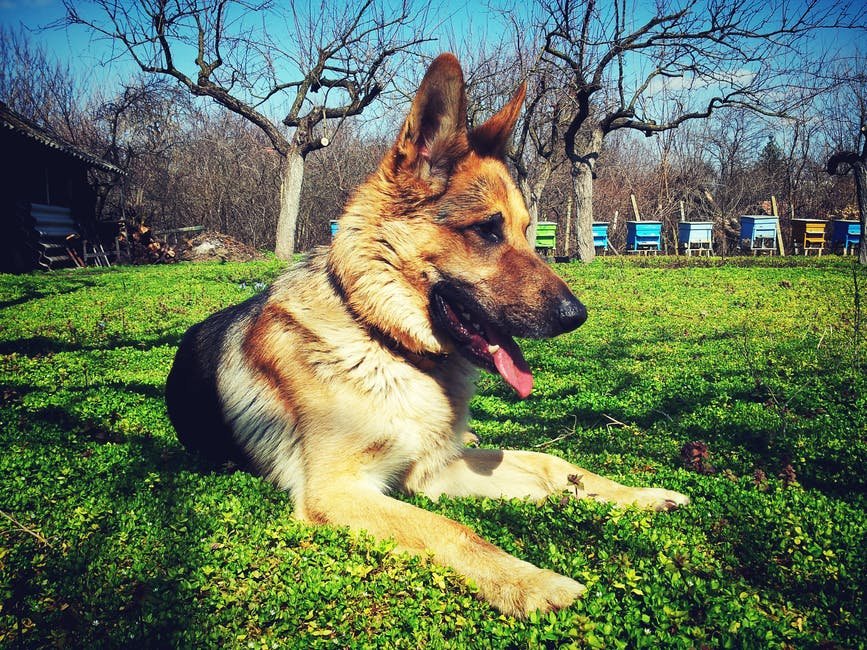
Most “problem” German Shepherds in shelters aren’t aggressive or broken they’re stressed, overstimulated, or misunderstood. With structure, decompression, and clear expectations, many of these dogs become stable, affectionate companions.
“Problem dog” is one of the most damaging labels in animal rescue especially when applied to German Shepherds.
Most people don’t say it out loud. They whisper it during surrender calls. They type it cautiously into Google. They ask it quietly during meet-and-greets, already bracing for a disappointing answer.
After years of working with surrendered German Shepherds in Las Vegas, we’ve learned that the word problem usually says far more about the situation than the dog. We hear it attached to barking, pulling, anxiety, destructiveness, or fear behaviors that feel overwhelming in the moment but rarely define who a dog truly is.
In shelters, these labels stick quickly. They spread faster than context. And they cost dogs time, opportunity, and sometimes their lives.
In this article, we’re going to explain why so many German Shepherds are labeled “problem dogs,” what shelters are actually seeing, and what families often misunderstand so that fear can be replaced with clarity.
What People Mean When They Say “Problem Dog”
When someone describes a German Shepherd as a “problem,” they’re usually talking about behavior not danger.
Most commonly, it means:
- Barking excessively
- Pulling hard on leash
- Lunging toward people or dogs
- Destructive behavior at home
- Ignoring commands under stress
These behaviors feel chaotic and unpredictable, especially for families who expected loyalty and calm. The label becomes a shortcut a way to explain confusion without digging deeper.
But behavior is communication, not character. A single moment of reactivity doesn’t define a dog’s personality. A stressful week doesn’t reveal long-term temperament. When labels replace understanding, dogs lose the chance to be seen clearly.
Why German Shepherds Are Labeled “Problem” More Than Other Breeds
German Shepherds aren’t more problematic than other dogs they are just more expressive about unmet needs. As a working breed, they were designed for purpose, structure, and engagement. When placed into pet homes without clear outlets, their intelligence and energy don’t disappear they surface as frustration.
We’ve noticed that German Shepherds aren’t louder or more difficult by accident. They communicate discomfort clearly, and that honesty often gets misread as defiance.
Online, we see the same phrases repeated:
- “Too much dog”
- “Needs a job”
- “Not for beginners”
Those statements aren’t wrong but they’re incomplete. Without structure and stimulation, working breeds struggle. That struggle gets labeled as a “problem” instead of a signal.
Shelter Stress Turns Normal Dogs Into “Problem Dogs”
Shelters are not neutral environments for German Shepherds.
Constant noise, unfamiliar smells, unpredictable handling, and confinement push stress levels through the roof. Elevated cortisol makes calm behavior nearly impossible, even for stable dogs.
What looks like aggression is often overstimulation.
We once took in Rex, a 4-year-old sable male from the East Las Vegas area, surrendered for “kennel aggression.” In the shelter, he barked nonstop and snapped at the leash. Within three weeks of decompression in a foster home, Rex was sleeping through the night, walking calmly, and greeting visitors without incident.
This isn’t rare.
We’ve taken in German Shepherds who couldn’t be safely handled in shelter kennels but relaxed into affectionate, responsive dogs once chaos was removed. Shelter stress behavior doesn’t predict life in a home it reflects survival mode.
Adolescence
The #1 Reason “Good Dogs” Become “Problem Dogs”
One of the most overlooked contributors to surrender is adolescence.
Between 10 and 18 months, German Shepherds experience:
- Energy spikes
- Boundary testing
- Temporary regression in training
- Increased independence
Families often tell us, “He changed,” or “She’s not the puppy we had.” In reality, the dog is maturing and needs structure, not punishment.
Some of the best dogs we’ve ever placed were surrendered during adolescence, right before maturity would have settled them. This phase alone explains why so many German Shepherds end up mislabeled.
👉 This connects closely to why German Shepherds are surrendered, especially when expectations don’t match developmental reality.
Fear-Based Behavior Is Often Mistaken for Aggression
Fear and aggression are not the same, but they look similar to untrained eyes.
Fear-based reactivity can include:
- Barking
- Lunging
- Freezing
- Avoidance
German Shepherds escalate quickly under stress because they’re protective by nature. When someone tells us a dog is aggressive, we often find fear, not intent.
Luna, a 3-year-old black female surrendered from Summerlin, was labeled aggressive toward strangers. Once we identified her trigger, the sudden approach by men, her reactions decreased dramatically with consistency and space.
If you’re worried about safety, this is explored in depth in are rescue German Shepherds aggressive, and why fear is so often misunderstood.
Human Situations Create “Problem Dogs” More Than Genetics
Most “problem” German Shepherds don’t come from bad bloodlines they come from unstable situations.
Common surrender reasons include:
- Housing restrictions
- Job loss or schedule changes
- First-time ownership
- Inconsistent training
During surrender calls, we hear guilt more than indifference. Most people surrendering a “problem” dog are overwhelmed, not uncaring.
Dogs adapt to instability the only way they can, through behavior. That behavior is labeled a problem, even when it’s a logical response.
What Happens When “Problem” German Shepherds Enter Foster Care
The shift from shelter to foster is often dramatic. With decompression, predictable routines, and one primary handler, behavior clarity emerges. Training becomes possible. Stress responses soften.
We regularly see behaviors disappear entirely once chaos is removed.
This is why understanding how German Shepherd rescues evaluate dogs matters more than relying on shelter notes alone, foster observation reveals who a dog actually is.
When a German Shepherd Truly Has Behavioral Challenges
True aggression exists but it’s rare. When it does occur, it’s usually tied to:
- Pain or medical issues
- Neurological conditions
- Severe, long-term trauma
Responsible rescues don’t hide this. They assess carefully, pursue training where appropriate, and make ethical placement decisions that prioritize safety.
Being honest about limitations builds trust, and protects dogs from mismatches that lead to repeated surrender.
What We Wish People Understood Before Calling a Dog “a Problem”
Before applying that label, we wish people understood:
- Behavior is communication
- Structure changes outcomes
- Support prevents surrender
- Labels limit chances
We’ve watched dogs labeled “unadoptable” thrive once someone listened instead of reacted. If myths are shaping your expectations, we strongly recommend reading German Shepherd rescue myths, many “problems” disappear when misinformation does.
Conclusion
“Problem” is a label, not a destiny, German Shepherds are sensitive, intelligent, and situational dogs. When misunderstood, overstimulated, or unsupported, they struggle. When given clarity and time, they often flourish.
Education prevents surrender. Understanding saves lives. Most problem German Shepherds aren’t broken, they’re asking for structure, consistency, and someone willing to look past the label.