
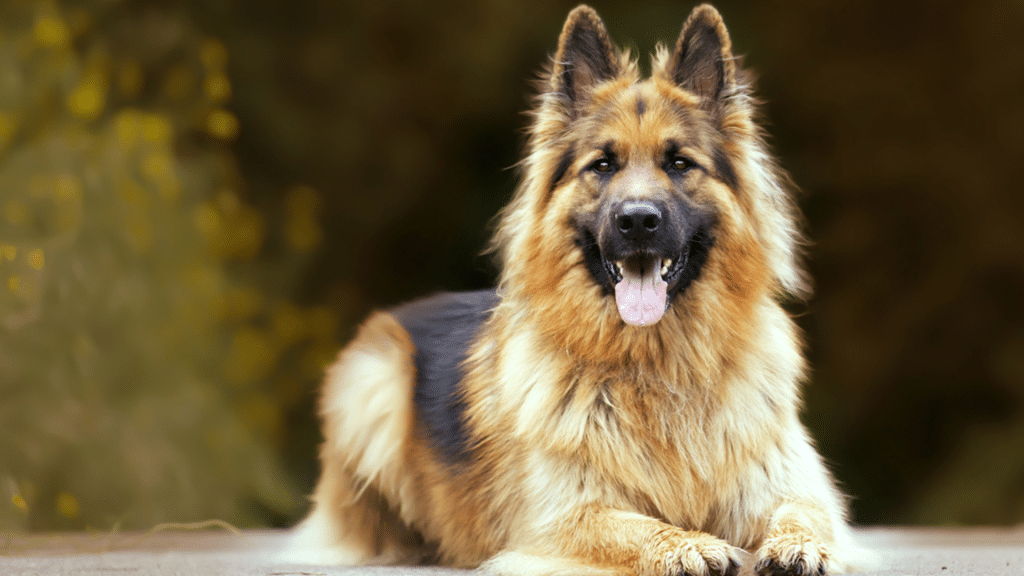
Rescue German Shepherds can make excellent family dogs when the dog’s temperament, energy level, and needs are matched thoughtfully to the household. Success depends less on a dog’s past and more on structure, expectations, and informed adoption.
“Do rescue German Shepherds make good family dogs?” is one of the most common questions we hear from people who want to know if rescued German Shepherds are aggressive, and it’s rarely asked casually.
Usually, it comes with hesitation. Parents worry about safety. Couples worry about the unknown. Families worry about whether choosing a rescue dog could be a mistake they can’t undo.
After years of working with surrendered and rescued German Shepherds in Las Vegas, we’ve learned that the real question isn’t whether rescue German Shepherds can be good family dogs it’s whether the right dog is matched to the right family.
Rescue dogs aren’t one-size-fits-all, some thrive in busy households, others need quieter environments, and pretending otherwise helps no one not families, and certainly not the dogs.
This article isn’t about pressure or guilt. It’s about clarity. Real expectations. And what actually determines success when families consider adopting a rescue German Shepherd.
Do Rescue German Shepherds Make Good Family Dogs
So what do people really mean by “Good Family Dog” When families ask if a rescue German Shepherd is a good family dog, they’re usually asking several things at once.
They want a dog that is:
- Safe around children
- Predictable in behavior
- Not aggressive
- Not overwhelming or uncontrollable
Underneath that is anxiety often fueled by viral stories, sensational headlines, or isolated incidents taken out of context.
What gets lost is this truth:
Family suitability has far more to do with individual temperament and environment than with the label “rescue.”
We’ve seen purebred puppies grow into poor family fits. We’ve also seen adult rescue dogs settle seamlessly into homes with kids, structure, and routine.
The question isn’t “Is this dog a rescue?” It’s “Is this dog compatible with this family?”
Why Rescue German Shepherds Get a Bad Reputation With Families
Rescued German Shepherds often get judged at their worst moment. Shelters are loud, unpredictable environments. Dogs experience sensory overload, confinement stress, and sudden loss all of which can trigger behaviors that look alarming but aren’t permanent.

This is known as shelter stress behavior, and it’s commonly mistaken for aggression. We’ve taken in dogs labeled “not good with kids” or “too reactive” who later lived peacefully in family homes once stress, chaos, and mismatched expectations were removed.
One example was Rocky, a 4-year-old sable male surrendered from the Sunrise Manor area after barking and lunging during a chaotic family gathering. In a foster home with predictable routines and decompression time, his fear-based reactivity faded within weeks.
One bad story travels further than a hundred quiet successes, and that’s how myths take root.
Are Rescue German Shepherds Good With Children?
This is the most important question families ask, and the most nuanced.
What Actually Matters More Than the Dog’s Past
In our experience, child compatibility depends far more on:
- The age of the children
- Adult supervision
- The dog’s energy level
- Structure and boundaries in the home
A dog’s unknown past matters less than how they respond now.
What We Look for in Family-Compatible Dogs
When evaluating rescue German Shepherds for family environments, we focus on:
- Neutral reactions to sudden movement
- Ability to recover quickly after stress
- Comfortable body language around noise
- Curiosity without hypervigilance
A good example is Max, a 5-year-old black and tan male surrendered from Spring Valley after his owner, Lisa, struggled to manage him around visiting toddlers. Once placed with a calmer household and consistent routines, Max proved affectionate, patient, and stable thriving as a family companion.
The Adolescent Phase That Trips Up So Many Families
One of the most misunderstood surrender windows occurs between 10 and 18 months.
This adolescent phase includes:
- Energy spikes
- Boundary testing
- Temporary regression in training
- Increased vocalization and restlessness
Many dogs surrendered during this period aren’t “problem dogs” they’re normal German Shepherd adolescents. We’ve placed some of our most family-friendly dogs after adolescence, once structure replaced chaos.
Diesel, a 14-month-old black male surrendered from Henderson due to “too much energy,” became a calm, reliable companion after training and routine. His previous family wasn’t wrong just unprepared.
You Might Like: Why Do German Shepherds End Up in Shelters?
Rescue vs Puppy: Which Is Actually More Predictable for Families?
Many families choose puppies believing they’re safer. Ironically, adult rescue dogs are often more predictable.
With adult rescues, you can observe:
- Temperament
- Energy level
- Triggers
- Social comfort
With puppies, personality unfolds later, sometimes in ways families didn’t anticipate. We often explain that rescue dogs come with transparency, not mystery.
Read Also: How German Shepherd rescues evaluate dogs.
When Rescue German Shepherds Are NOT a Good Fit for Certain Families
This honesty matters. Rescue German Shepherds may not be ideal for:
- Homes with very young children and little supervision
- Highly chaotic households
- Families unwilling to provide structure
- Inconsistent leadership environments
Acknowledging this doesn’t discourage adoption, it prevents failed placements. Safety-first decisions protect everyone involved.
What Successful Family Adoptions Have in Common
Families who succeed with rescue German Shepherds tend to share a few traits:
- Respect for the decompression period
- Predictable daily routines
- Clear boundaries
- Willingness to learn
- Openness to foster-to-adopt models
We often tell families You don’t need perfection you need preparation.
Also Read: Living with a German Shepherd in a Las Vegas Apartment
What We Tell Families Considering Surrender
Surrender is rarely a decision made lightly. Most families feel guilt. Many feel like they’ve failed, but behavior issues don’t equal bad dogs, and seeking help early changes outcomes. Our role isn’t to judge. It’s to educate, guide, and act as a safety net for both families and dogs.
Conclusion
So, do rescue German Shepherds make good family dogs?
Yes. Many do. Some don’t. And that honesty is what makes rescue work. Success depends on understanding temperament, respecting structure, and choosing education over fear. Rescue German Shepherds don’t need perfect families, they need prepared ones.
If you’re considering adoption, check out our list of German Shepherd dogs for adoption in Nevada, or keep exploring related articles in our blog section.