
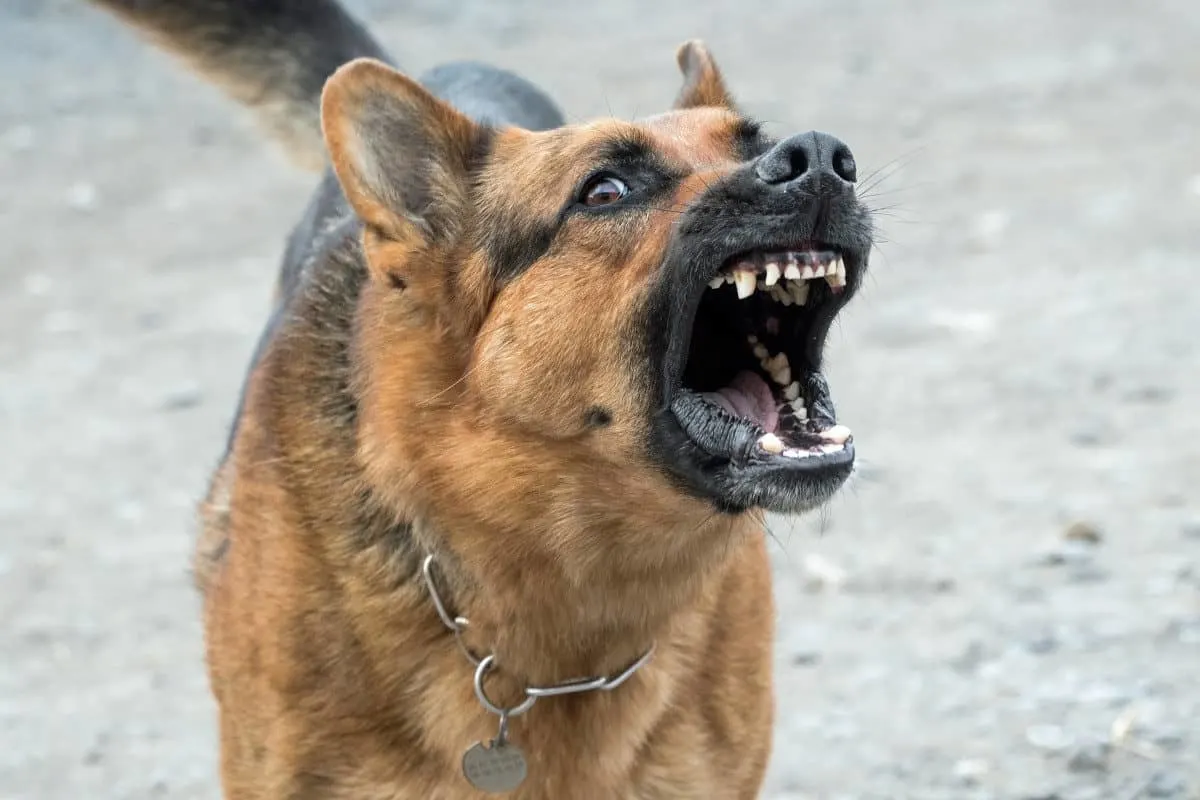
Rescue German Shepherds are not inherently aggressive most behaviors labeled as “aggression” are actually fear, stress, or confusion caused by sudden environmental changes. With proper decompression, routine, and support, the majority of rescued German Shepherds become stable, loyal, and deeply bonded companions.
The Question We Hear Every Week
“Are rescue German Shepherds aggressive?”
This is one of the most common questions people wanting to adopt a German Shepherd dog ask a lot, and often, it’s asked quietly. Sometimes it comes with hesitation. Sometimes with guilt. Other times, with fear after reading online horror stories or watching viral videos that paint rescue dogs as dangerous or unpredictable.
After years of working hands-on with surrendered and rescued German Shepherds across Las Vegas neighborhoods like Summerlin, North Las Vegas, and Henderson, we can confidently say this, true aggression is rare but misunderstood behavior is incredibly common.
We’ve taken in dogs labeled “aggressive” by landlords, overwhelmed families, or shelters, only to watch those same dogs settle into calm, affectionate companions once their stress levels dropped. The issue isn’t that rescue German Shepherds are aggressive it’s that their behavior is often judged during the worst moment of their lives.
In this article, we’ll explain what people are really seeing, why rescue dogs are unfairly blamed, and what actually predicts long-term success with a rescued German Shepherd.
What People Mean When They Say “Aggressive”
When most people say a rescue German Shepherd is “aggressive,” they usually mean one of the following:
- Barking intensely
- Lunging on a leash
- Growling when approached
- Snapping when startled
- Guarding food or toys
But barking, lunging, and growling are not the same as aggression. These behaviors are forms of communication often driven by fear, stress, or confusion.
A Real Rescue Example
We once took in a black-and-tan German Shepherd named Rex, a 3-year-old male surrendered by a family in the Paradise area. His owner, a man named Carlos, was told by neighbors that Rex was “dangerous” because he barked aggressively through the fence.
In the shelter, Rex paced constantly and growled when strangers passed his kennel. Within three weeks in foster care with routine walks, quiet rest, and predictable meals the same dog was calmly greeting visitors and curling up at his foster’s feet.
The label “aggressive” came from a moment, not a pattern.
Reactivity vs. Aggression
This distinction matters:
- Reactivity = emotional overreaction to stimuli
- Aggression = intent to harm
Most rescue German Shepherd behavior problems fall squarely into reactivity, not aggression. Context matters, and shelters are one of the most stressful environments a dog can experience.
Why Rescue German Shepherds Seem Aggressive at First
Rescue German Shepherds often appear aggressive because they are experiencing acute stress, not because they are dangerous. Many of these stress responses are directly connected to why German Shepherds end up in shelters, often through no fault of their own.
What’s Happening Internally
When a dog is surrendered or rescued, several things happen at once:
- Loss of familiar people
- Loss of routine
- New smells, sounds, and confinement
- Constant stimulation
- No sense of control
This causes cortisol (the stress hormone) to spike. Elevated cortisol keeps dogs in fight-or-flight mode, where behaviors look intense, unpredictable, or defensive.
Shelter Stress Is Real
We’ve worked with German Shepherds who couldn’t be handled safely in kennel environments but became affectionate and stable once placed in foster homes.
One example is Luna, a 2-year-old sable female found roaming near Sunrise Mountain. In the shelter, she snapped when leashed and barked relentlessly. After a 10-day decompression period in foster care, Luna began sleeping through the night and walking calmly on leash.
This is why responsible rescues emphasize a 2–4 week decompression period and don’t rush behavioral judgments.
Fear-Based Behaviors Are Often Misread as Aggression
One of the most misunderstood issues is fear aggression.
What Fear Aggression Really Is
Fear-based aggression happens when a dog feels threatened and believes retreat isn’t possible. The behavior is defensive, not malicious.
Common triggers include:
- Men (especially unfamiliar men)
- Other dogs
- Tight leashes
- Children moving quickly
- Doorways or confined spaces
A Rescue Story

We rescued Shadow, a 4-year-old dark sable male surrendered by Emily from the Spring Valley area after he snapped when her nephew ran toward him.
Shadow wasn’t aggressive he was startled. He had lived in a quiet household and had never been exposed to children. With gradual exposure, clear boundaries, and positive reinforcement training, Shadow learned to disengage calmly instead of reacting.
What many people call aggression is often a dog asking for space the only way it knows how.
The Adolescent Phase No One Warns Rescue Adopters About
A huge number of surrendered German Shepherds fall between 10 and 18 months old the adolescent phase.
This stage includes:
- Hormonal changes
- Boundary testing
- Temporary regression in obedience
- Increased reactivity
We’ve taken in countless adolescent German Shepherds surrendered with statements like:
- “He changed suddenly.”
- “She wasn’t like this before.”
One example is Ace, a 14-month-old black male surrendered by Mark in North Las Vegas after Ace began pulling hard on the leash and barking at other dogs. Ace wasn’t aggressive he was an adolescent dog with energy, curiosity, and poor impulse control.
With training and maturity, these behaviors often resolve naturally.
Why Rescued German Shepherds Are Not More Aggressive Than Breeder Dogs
This is one of the biggest myths we encounter.
Aggression exists across all sources rescue dogs, breeder dogs, and backyard-bred dogs alike. The difference is visibility.
Why Rescue Dogs Get Blamed
- Rescue dogs are observed closely
- Their behaviors are documented
- Problems are disclosed upfront
Breeder puppies often don’t show issues until adolescence long after adoption.
Ironically, rescue dogs often come with more behavioral transparency than puppies purchased from breeders.
When Aggression Is Real and What Rescues Do About It
True aggression does exist, but it is rare. When it occurs, it’s usually linked to:
- Untreated medical pain
- Severe trauma
- Neurological issues
Responsible rescues assess carefully how German Shepherd rescue organizations assess behavior, which helps explain why unsafe dogs are not placed. Dogs displaying genuine aggression are not placed irresponsibly. Instead, rescues pursue training, medical intervention, or humane decisions based on safety and welfare.
We do not minimize risk, we manage it ethically.
What We’ve Learned From Owners Afraid of Aggression
Many people who surrender dogs aren’t bad owners they are scared, unsupported, and overwhelmed.
We regularly hear:
- “I thought I was doing something wrong.”
- “I was afraid he would hurt someone.”
- “I didn’t know who to ask for help.”
Fear often comes from misinformation, exaggerated media coverage, and online horror stories. Our role as a rescue is not to judge, but to guide.
How to Set a Rescue German Shepherd Up for Success
Success starts with realistic expectations and education.
Key Foundations
- Allow a decompression period
- Establish predictable routines (especially for adopters living with a German Shepherd in a Las Vegas apartment, where structure matters even more)
- Use positive reinforcement training
- Avoid flooding with stimuli
- Seek guidance early
Foster-to-adopt programs, rescue support, and training resources prevent unnecessary surrenders and give dogs time to adjust.
Conclusion
Rescue German Shepherds are not aggressive by default. Their behavior is shaped by stress, environment, experience, and support, not by being “rescued.”
When given patience, structure, and understanding, rescued German Shepherds often become some of the most loyal, intuitive companions imaginable.
German Shepherds don’t need perfect owners, they need informed ones.
FAQ
Are rescue German Shepherds more aggressive than puppies?
No, rescue dogs often appear more reactive due to stress, while puppies may not show issues until adolescence.
Is fear aggression common in rescued German Shepherds?
Yes, fear-based behaviors are common but highly manageable with proper training and routine.
How long does it take a rescue German Shepherd to calm down?
Most dogs begin settling within 2–4 weeks, though full adjustment may take several months.
Can an aggressive rescue German Shepherd be rehabilitated?
In many cases, yes, especially when behavior stems from fear or lack of structure.
Should I avoid adopting a rescue German Shepherd if I have kids?
Not necessarily. Proper introductions, supervision, and education make many rescue placements successful.